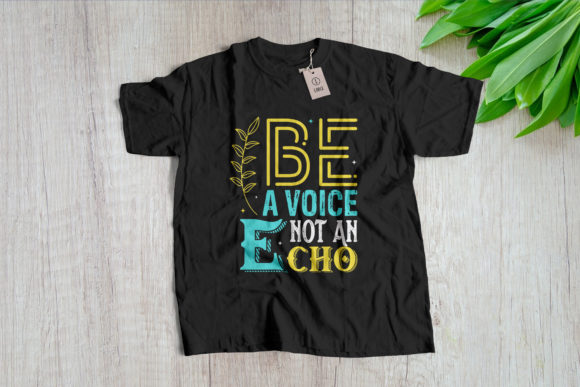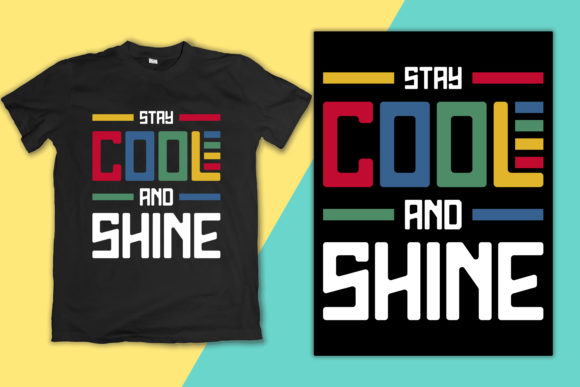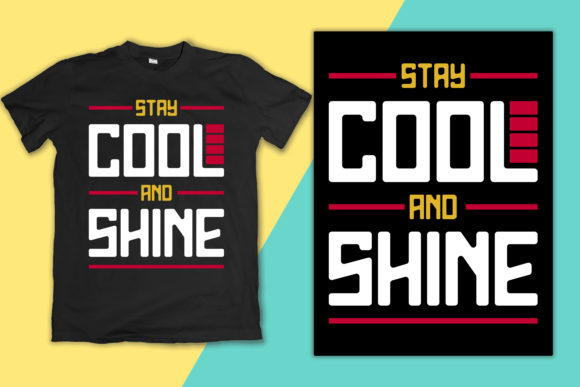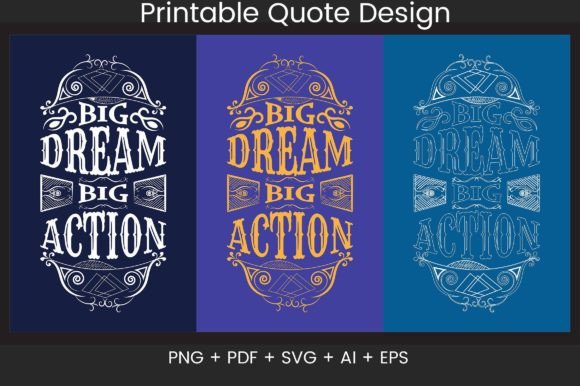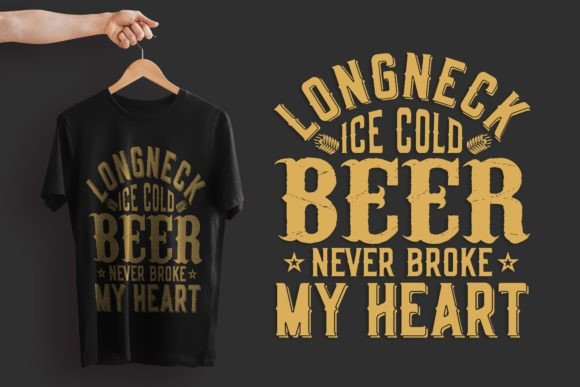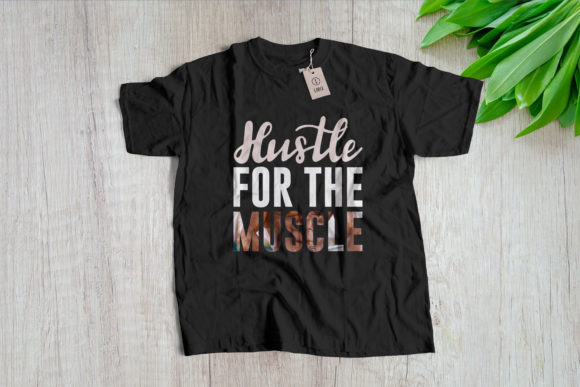
Gym Fitness T-shirt Design
First Impression: Bold, Clean, and Ready for Real Stitching
Opening the ZIP folder for Gym Fitness T-shirt Design, I immediately noticed its crisp vector foundation — no pixelation, no jagged edges, just smooth, scalable outlines. As an embroidery designer who’s stitched hundreds of motivational graphics onto everything from toddler onesies to boutique sweatshirts, I appreciate when a design *feels* stitchable before I even load it into my software. This one does. It carries energy without clutter: strong typography, balanced negative space, and a visual rhythm that suggests movement — not shouting, but steady, confident motion. It reads as both modern and timeless, which matters when you’re building repeatable product lines for your craft business or Etsy shop.
A Real-World Test: Embroidering It on a Structured Cotton Tote Bag
Last week, I used Gym Fitness T-shirt Design for a custom order: a medium-weight cotton tote for a local fitness studio’s staff appreciation day. No screen printing — just clean, raised embroidery in charcoal gray thread on natural canvas. The result? Sharp, legible, and surprisingly tactile. The letterforms held up beautifully under satin stitch, with no bleeding or distortion, and the vector clarity meant I could scale it comfortably to 4.2 inches wide — ideal for center-chest placement on bags and tees alike. Customers didn’t just recognize the message; they paused to touch the stitching. That’s handmade product credibility in action.
Where It Shines (and Where It Needs Thought)
Gym Fitness T-shirt Design works exceptionally well for:
- Custom apparel — especially structured fabrics like midweight cotton tees, performance polos, and fleece-lined hoodies;
- Embroidered patches — its clean edges and moderate detail level translate cleanly into sew-on or iron-on formats;
- Sweatshirt embroidery — the bold weight holds up against knit texture without needing excessive underlay;
- Tote bag design and apron embroidery — where visibility and durability matter more than fine detail;
- Printable mockups and digital embroidery file previews — vector origins make it easy to drop into lifestyle scenes for Etsy listings or social ads.
But here’s what I watched closely:
- Small hoop sizes: If you’re stitching on baby onesies or curved cap fronts, test scaling down first. Some letter spacing tightens at sub-3-inch widths — fine for sweatshirts, less forgiving on tiny hoops.
- Textured or stretchy fabric: On jersey knits or ribbed cuffs, use medium-cutaway stabilizer. The design’s solid areas benefit from consistent support — don’t rely on tear-away alone.
- Dark fabric: The product description confirms you can easily change color for darker T-shirts — great news. But verify contrast in your actual thread palette. A light gray satin stitch on black fabric can recede visually; go one tone darker or add subtle outline running stitch for definition.
- Frequent-wash items: Like kitchen towels or baby embroidery, this design’s fill-stitch density feels moderate — not overly heavy, not too sparse — so it should hold up through laundering if stabilized properly.
Design Integrity Meets Customer Trust
When your customer sees Gym Fitness T-shirt Design stitched on their personalized gift or small shop product, they’re not just reading “Stronger Every Day” — they’re sensing intention. The balance between message and form says, This wasn’t grabbed from a free bundle. It was chosen, tested, and executed with care. That perception elevates perceived value — critical whether you’re pricing a $38 embroidered sweatshirt or a $22 holiday embroidery gift set. For Etsy sellers and creative entrepreneurs, that quiet professionalism builds trust faster than any tagline.
Practical Embroidery Designer Notes
Before committing to production, here’s my checklist — refined over years of commercial embroidery and craft business work:
- Always test on scrap fabric — same fiber content and weight as your final piece;
- Check thread color contrast in natural light *and* under store lighting — what reads bold on screen may mute on fabric;
- Review stitch density in your embroidery software — look for dense clusters that could pucker thin cotton or distort stretchy blends;
- Confirm hoop size compatibility — especially if layering with other design assets or adding monograms;
- Inspect small details — are serifs or corners sharp enough to digitize cleanly, or will they require manual cleanup?
- Test in black-and-white mockups — removes color distraction and reveals hierarchy and legibility gaps;
- Compare light vs. dark fabric backgrounds — helps anticipate where underlay or additional stitch types (like outline) might be needed;
- Use proper stabilizer — cutaway for knits, tear-away for stable wovens, fusible for lightweight linens;
- Verify licensing — since this is sold as a Graphics asset in the Print Templates category, confirm whether your intended use (e.g., selling finished embroidered sweatshirts or reselling digital files) aligns with the terms. When in doubt, reach out to the seller before launching a product line.
Final Thought: A Reliable Workhorse, Not Just a Trend
Gym Fitness T-shirt Design isn’t flashy — and that’s its strength. It’s the kind of embroidery file you’ll return to season after season: for back-to-gym promotions, wellness retreat swag, physical therapy clinic gifts, or even subtle branding on staff aprons at a health-focused café. It supports your voice instead of competing with it. As a designer who evaluates hundreds of digital embroidery files yearly, I can say this one lands where it counts — in the stitch, on the fabric, and in the quiet confidence of a finished product that feels intentional, durable, and human-made.